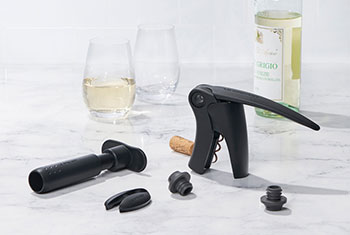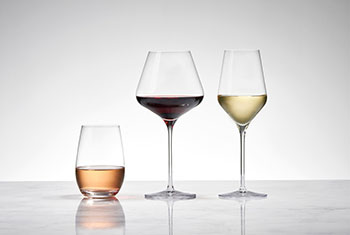

















































Our colourful cookware is rooted in French tradition and enjoying wine with food is integral to that legacy. Great wine not only complements food but elevates the flavours inherent in the dish. So it’s only logical that we not only like drinking wine, but also using it as an ingredient in our recipes.
When cooking with wine, the old adage “Only cook with wine you’d actually drink” is the best place to start. While you don’t want to grab the priciest bottle on the shelf, you do want to choose a wine that you enjoy in the glass, as the flavours will only intensify when reduced in a recipe. If you’re not sure when to use wine when cooking, keep these guidelines in mind to successfully move wine out of the glass and into the kitchen.
Add Flavour and Acidity
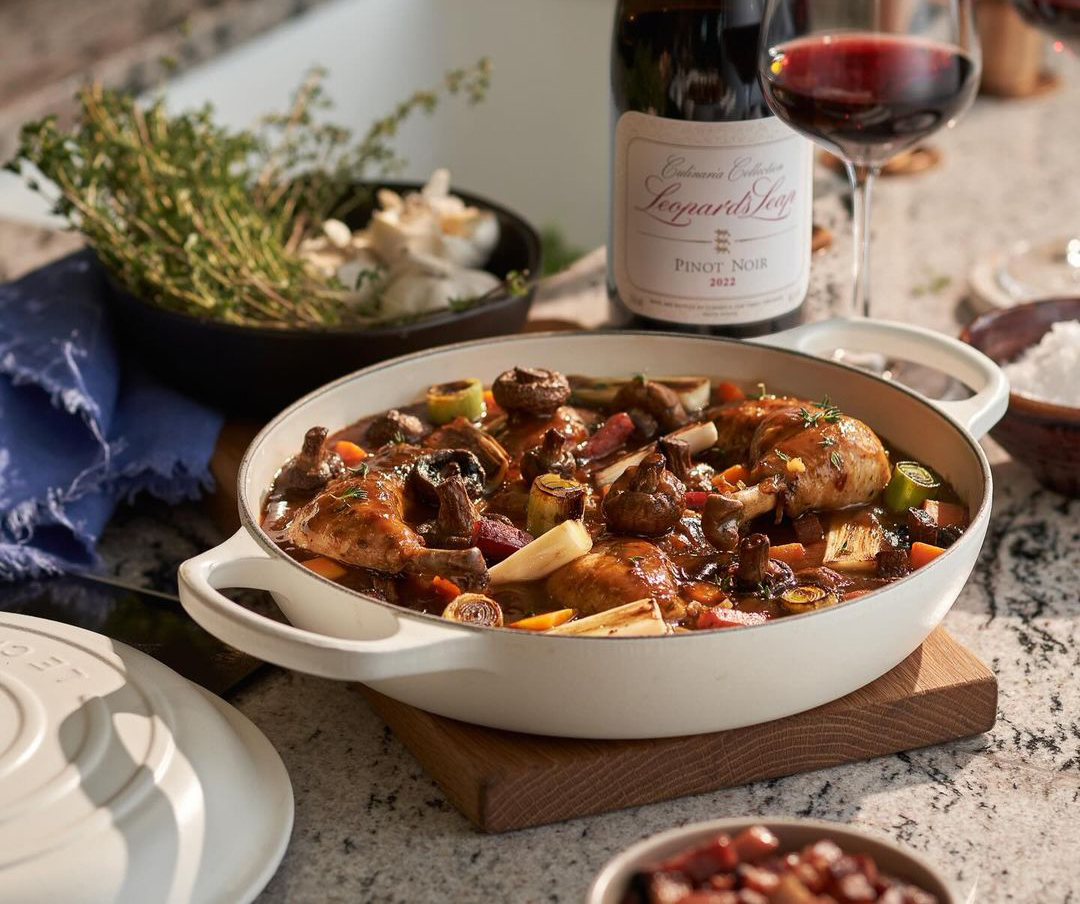
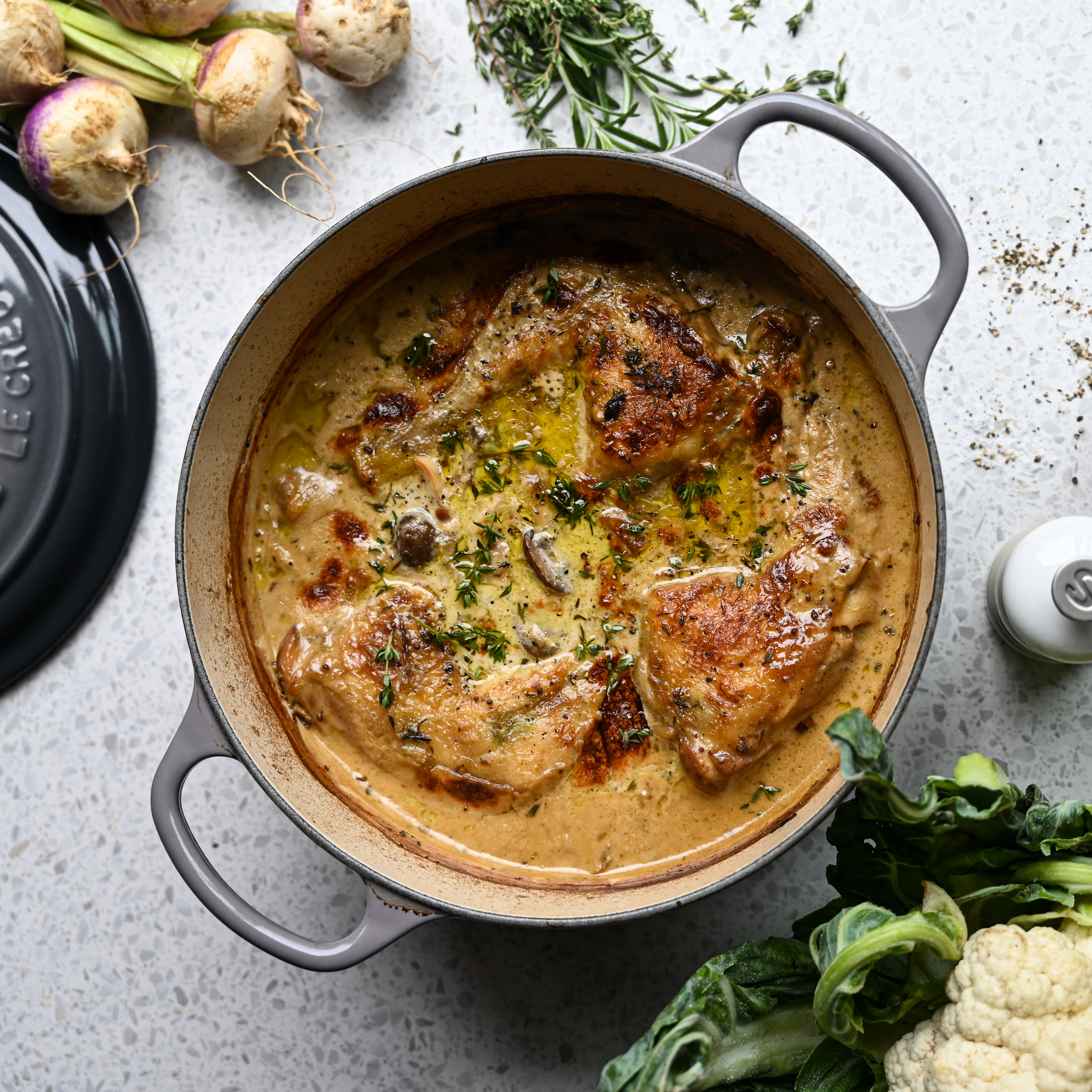
The main reason to cook with wine is that it brings flavour and acidity to a dish. The complexity of wine in the glass is imparted to the food it is cooked with as well. Just as a wine paired with food improves the taste, a wine cooked with the food can also improve the overall flavour of the dish. The acidity is particularly important in rich dishes such as a cream sauce or a beurre blanc, as it helps add balance and brightness to the final product. When choosing a wine to cook with, ask yourself which wine you would also enjoy drinking with the meal. For example, Coq au Vin is usually thought of as being made with red wine but since white wine also pairs nicely with chicken, it makes sense that a dry white wine would work equally as well, resulting in Coq au Vin Blanc.
Break Down Fats
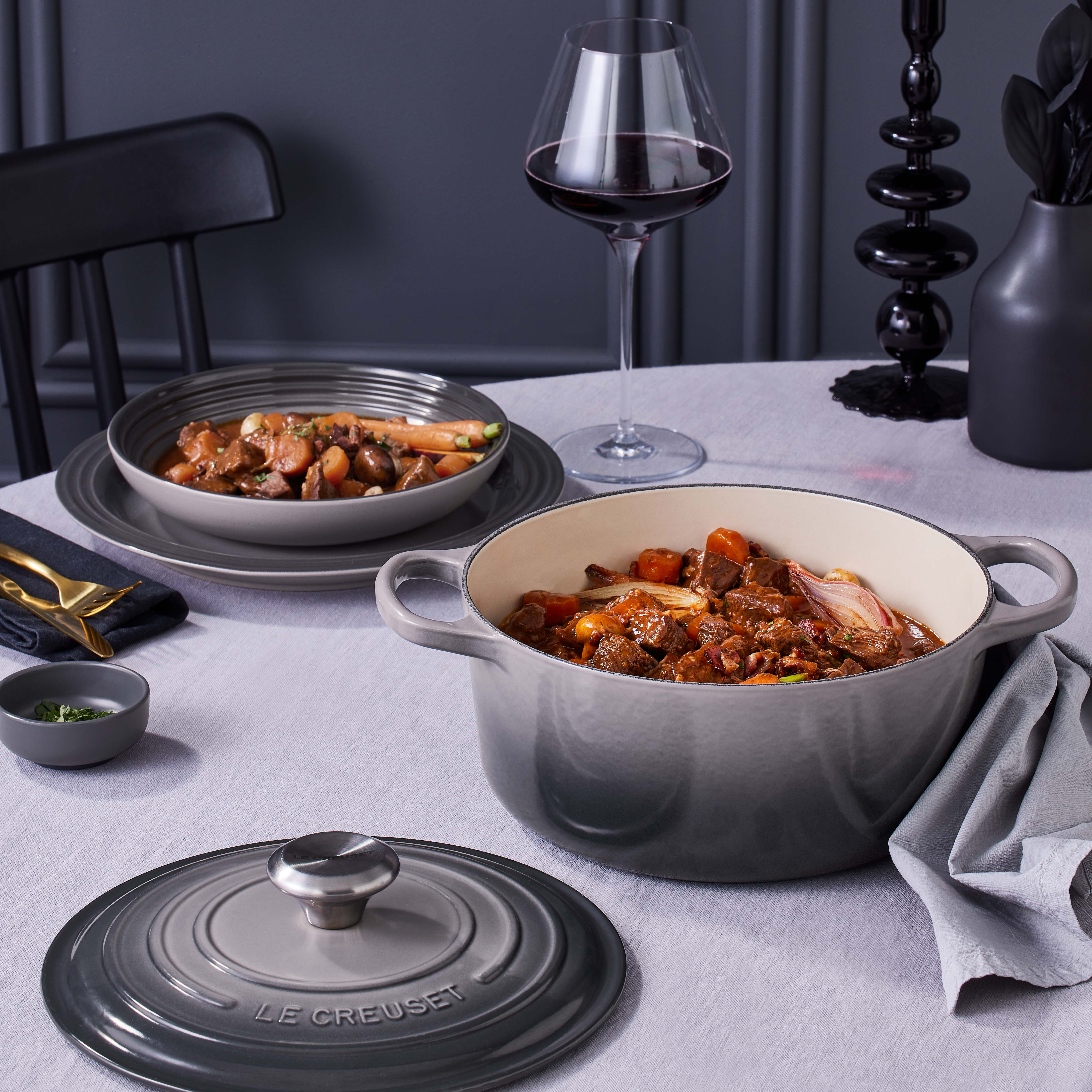
Classic French cuisine is awash in recipes using wine as a major component in stews, roasts and braises. One reason it is used so often is that the alcohol in wine also helps to break down the fat in proteins, which tenderises the meat and releases flavour into the sauce where it can meld into the other ingredients. Dishes such as Coq au Vin and Beef Bourguignon use copious amounts of wine while cooking, resulting in melt in your mouth cuts of meat swimming in a rich, complex sauce. Typically combined with stock, the wine mingles with all the aromatics while it reduces to create the final dish that is better than the sum of its parts.
Provide Moisture for Braising, Steaming or Poaching
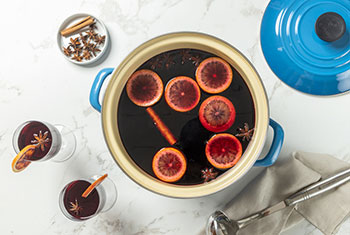
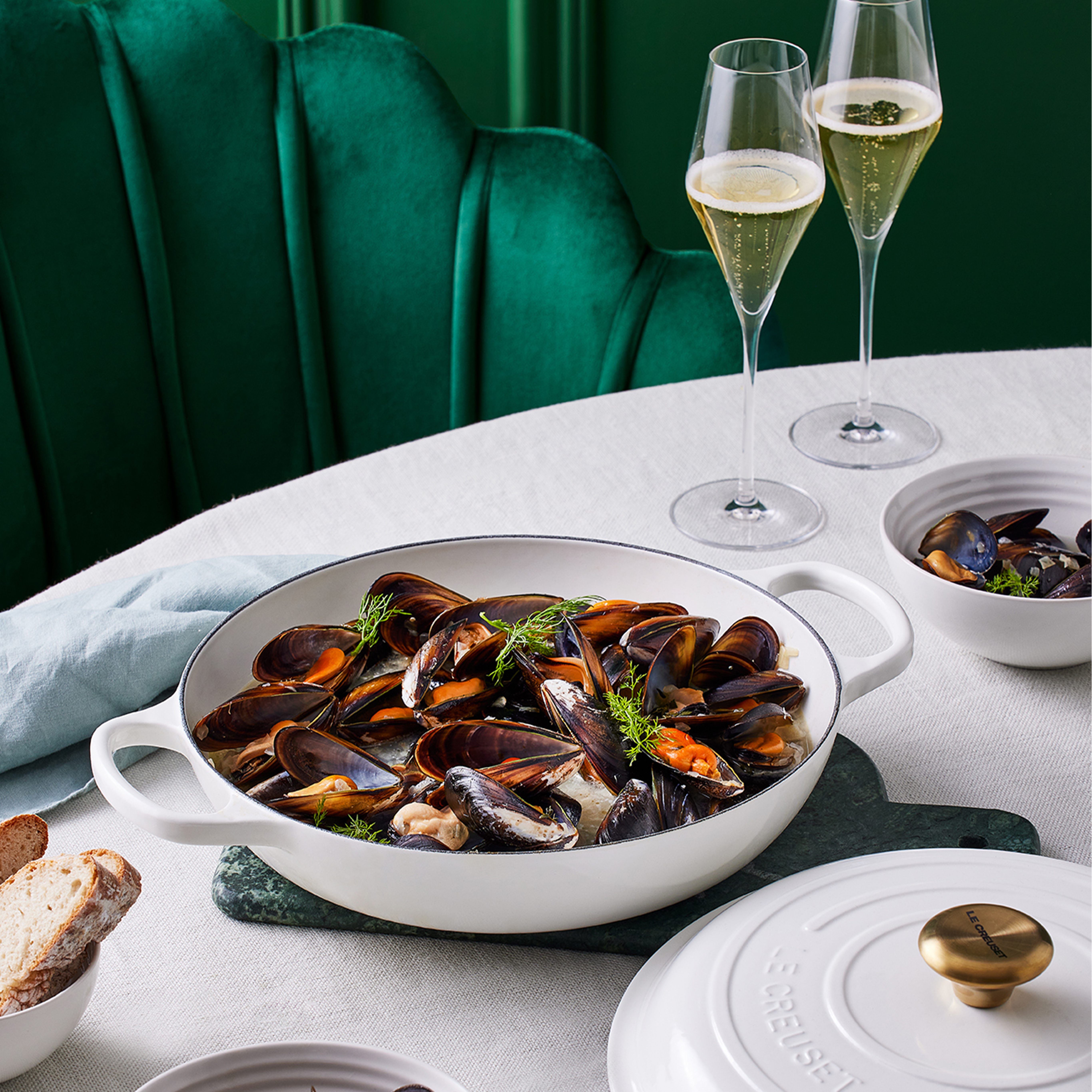
Cooking methods that use moist heat can be enhanced by using wine. Instead of steaming or poaching with just water, wine will boost the flavour imparted by these delicate cooking methods. Simply add wine to the cooking vessel along with aromatics, herbs, dried spices or citrus to add extra seasoning. Braising uses a smaller amount of liquid to slowly cook ingredients until they are fork tender, and wine can also be used here as the braising liquid – the extra acidity helps to brighten the savory meld of flavours. Wine is equally at home tenderising tough short ribs as it is braising hearty vegetables like squash and even artichokes.
Deglaze to Create a Pan Sauce
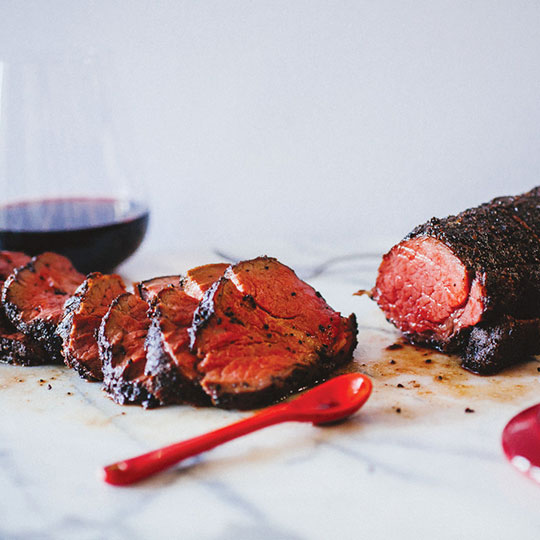
The complex flavours inherent in quality wine will result in a rich, complex pan sauce perfect for drizzling over steak, fish and vegetables. After you sear the main ingredient, add alliums such as onion, garlic or shallot to the pan and sauté until softened. Then add a generous pour of your favourite wine to deglaze the pan, scraping up all the caramelized bits from the bottom. The wine should be simmered for a bit to reduce, cook off some of the alcohol and concentrate the flavours. Once it’s reduced, you can serve it as is for a rich jus, or add butter or cream for a thicker, richer sauce.